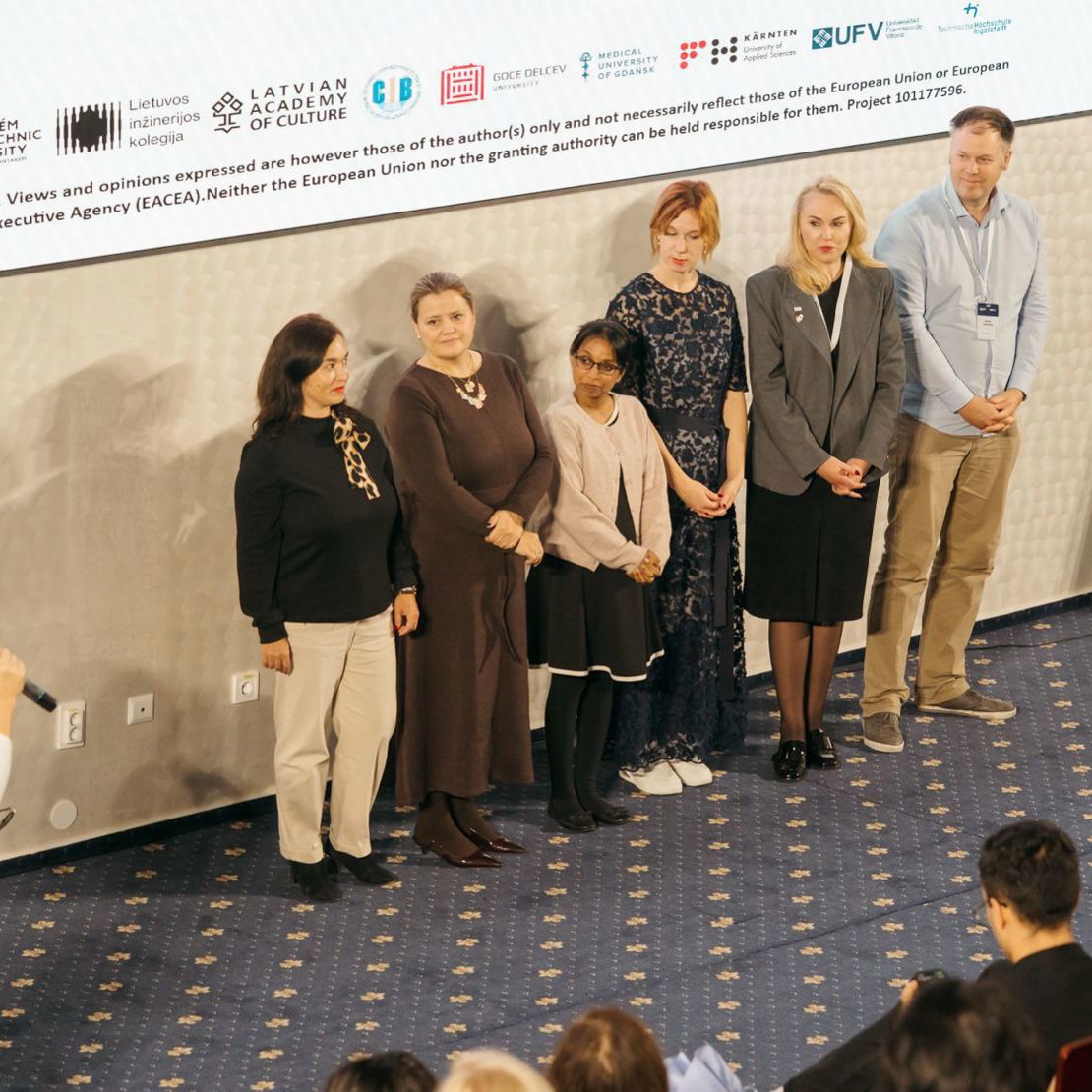
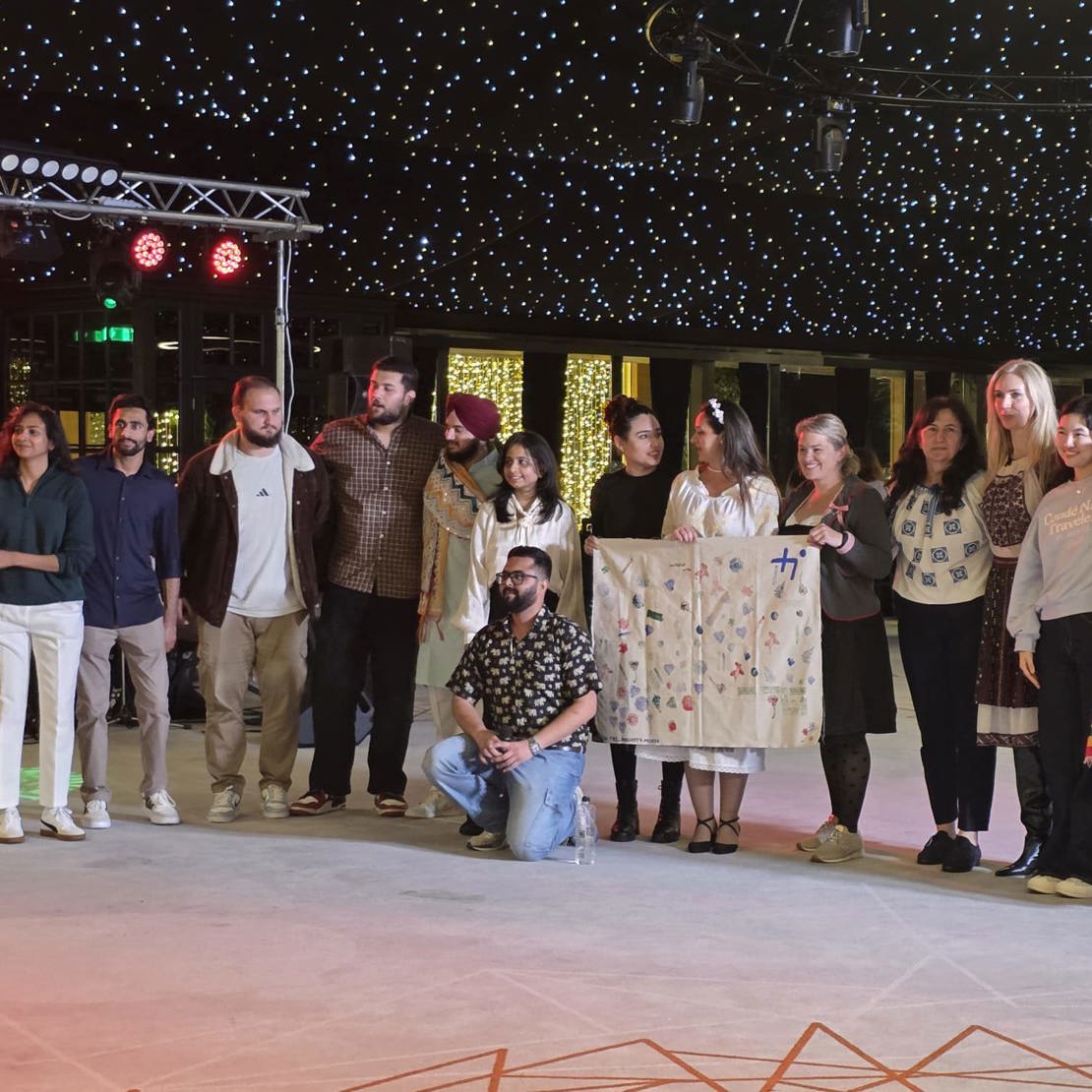
From 28 to 30 October, the second Annual Congress of the ACE²-EU Alliance and the Kaleidoscope cultural festival took place at Constantin Brâncuși University in Târgu Jiu, Romania, bringing together students, staff, institutional leaders and partners from nine European higher education institutions. The programme featured discussions on the future of European higher education, important strategic decisions concerning the Alliance, creative activities, international artistic performances and the ACE Gala awards ceremony. Representatives of Lietuvos inžinerijos kolegija (LIK) also actively participated in the events.
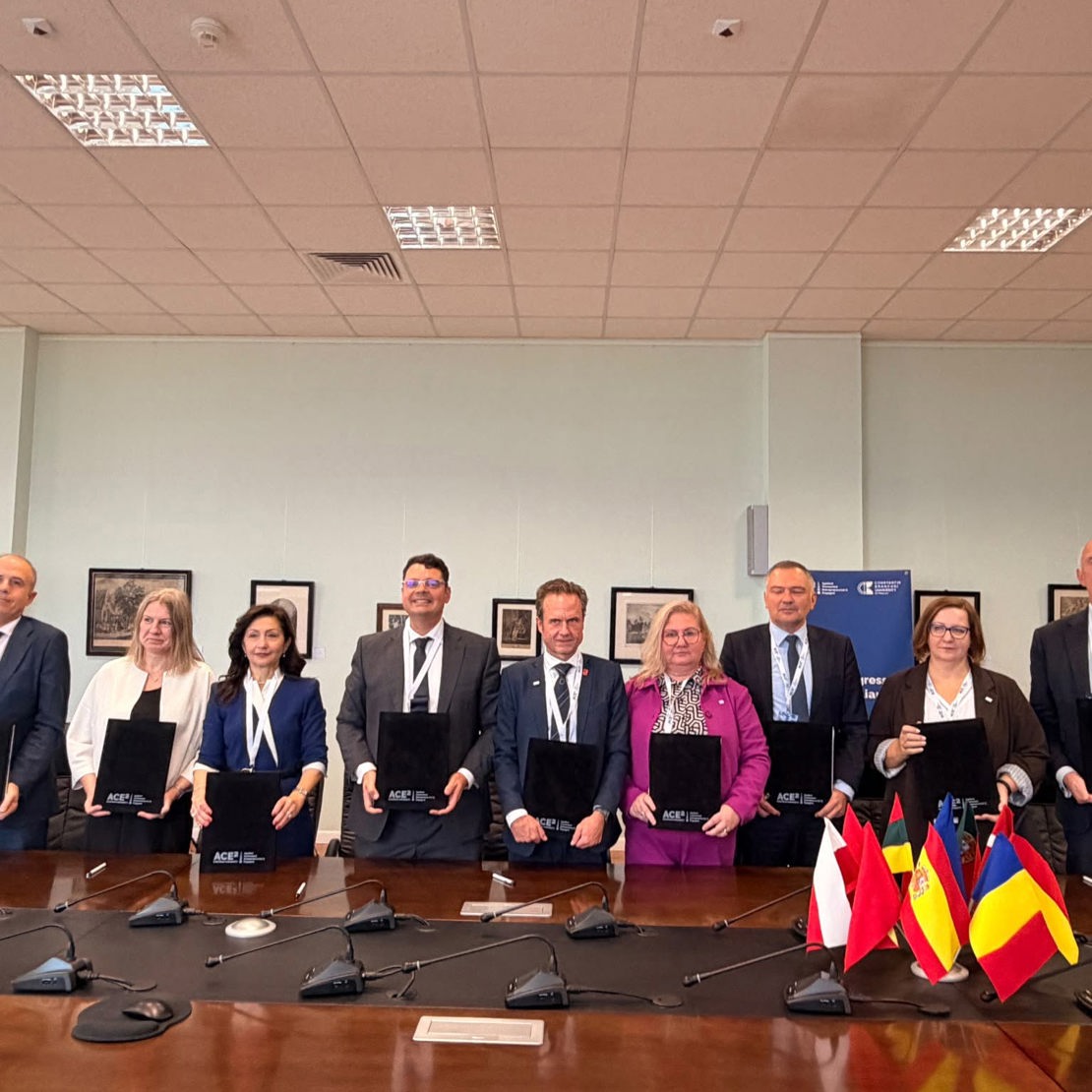
One of the most significant milestones of the Annual Congress was the signing of the Alliance's founding documents by the leaders of the nine ACE²-EU partner institutions. These included the statutes of the ACE²-EU European University legal entity, the Alliance's internal governance rules and a joint declaration by the rectors confirming their institutions' official endorsement.
This step marks a new stage in the development of ACE²-EU, moving from inter-institutional cooperation towards establishing a shared legal and institutional framework. The signed documents provide a foundation for strengthening the Alliance's governance, developing joint degree programmes, advancing the digital university (e-Campus) and ensuring the long-term sustainability of its activities.
On 29 October, the ACE Talk event, "Education, Cultural Diversity & Social Well-being", focused on the future of education, cultural diversity and social well-being. The event was opened by Luminița-Georgeta Popescu, Rector of Constantin Brâncuși University; Lina Girdauskienė, Director of Lietuvos inžinerijos kolegija; João Moutão, Chair of the ACE²-EU Governing Body; and Dejan Mirakovski, Rector of Goce Delčev University. The discussion featured insights from pilot Daiana Dajulescu, social media agency founder Alexia Ardereanu, President of the Lithuanian Students' Union Ieva Vengrovskaja, and film director and artist Ioana Mischie, who joined remotely. Bringing together speakers from different professional backgrounds, the event offered diverse perspectives on education, cultural diversity and societal well-being.
The programme was further enriched by the second ACE²-EU Kaleidoscope cultural festival, held under this year's theme, "100 Voices – One Future". Throughout the three-day festival, participants took part in creative workshops, a student innovation laboratory, digital storytelling activities and intercultural challenges. Working in international teams, students produced short films exploring Europe's future, sustainability, cultural diversity and inclusion.
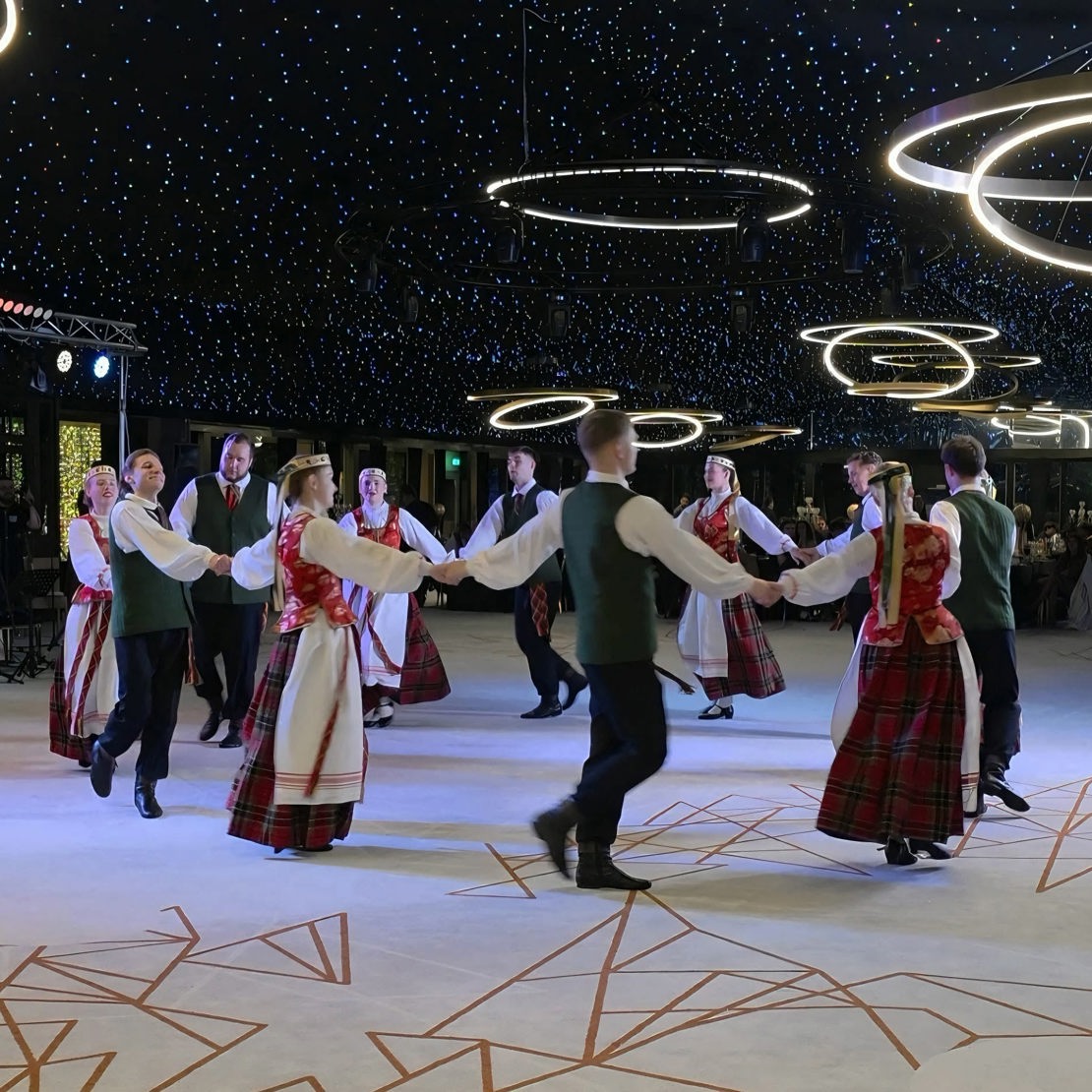
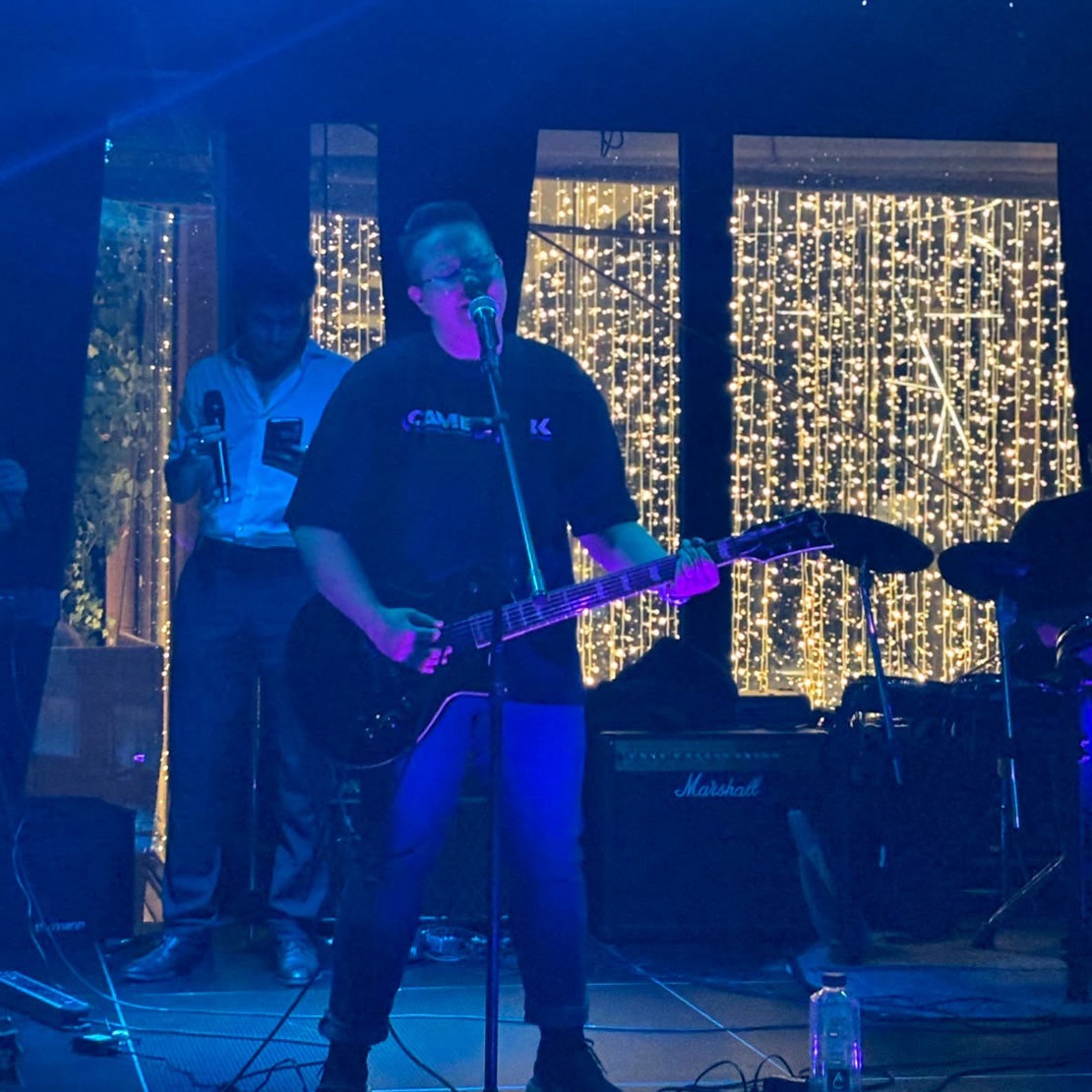
Lithuanian culture was also prominently represented on the festival stage. During the "Kaleidoscope of Cultures" evening on 28 October, LIK's folk dance ensemble Pušynėlis showcased Lithuanian folk dance traditions. The following evening, alternative rock also took centre stage at the festival's masquerade ball, where LIK representative Kamilė Karvelytė-Camerock performed two of her original songs.
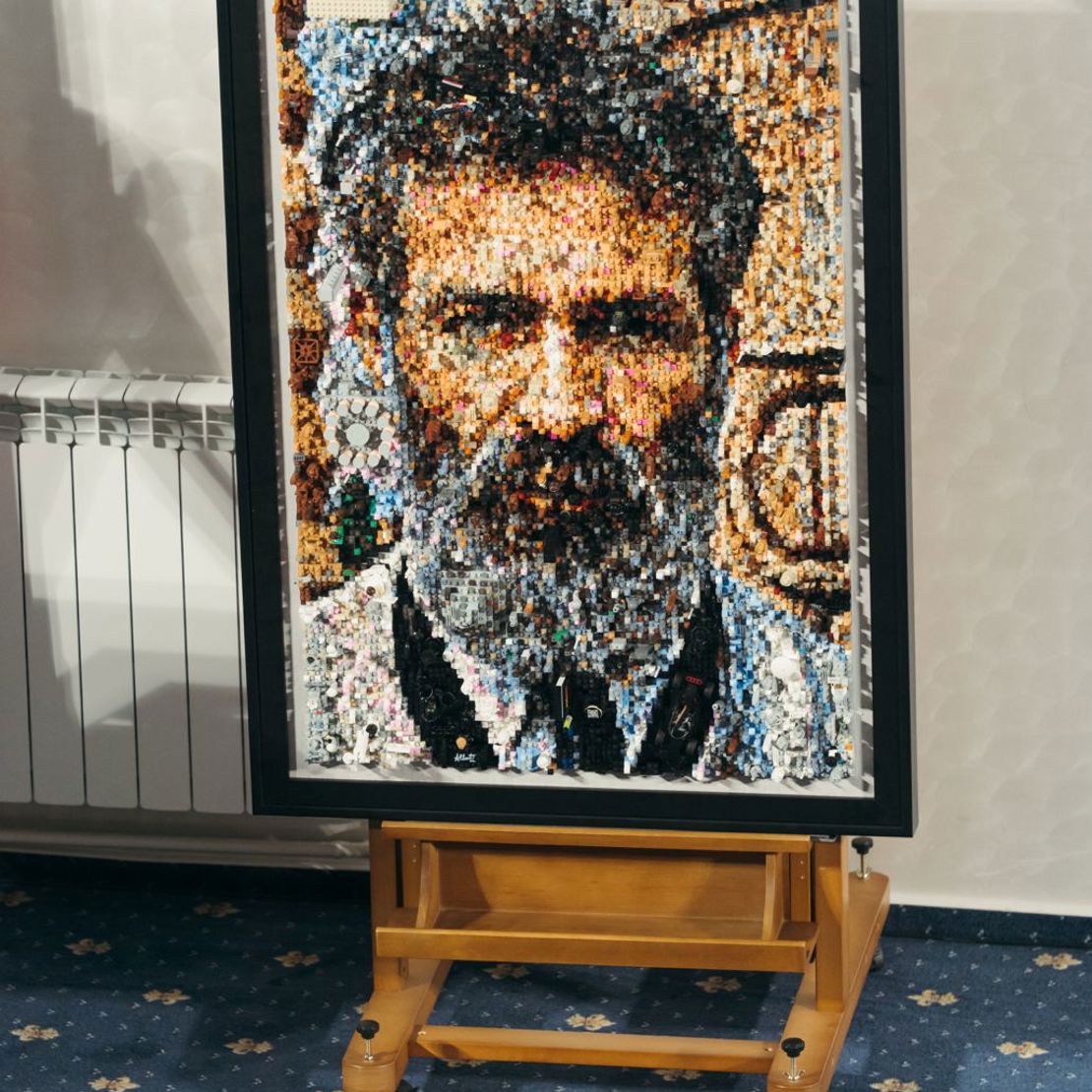
Another distinctive festival highlight was the work of eleven-year-old Romanian artist Alberto Oprea, known as Brickasso. The young artist created a portrait of renowned Romanian sculptor Constantin Brâncuși using LEGO bricks, bringing together contemporary creativity and Romania's artistic heritage. Having secured second place in the 2026 edition of the talent show Românii au Talent, Brickasso demonstrated how ordinary building bricks can be transformed into works of art.
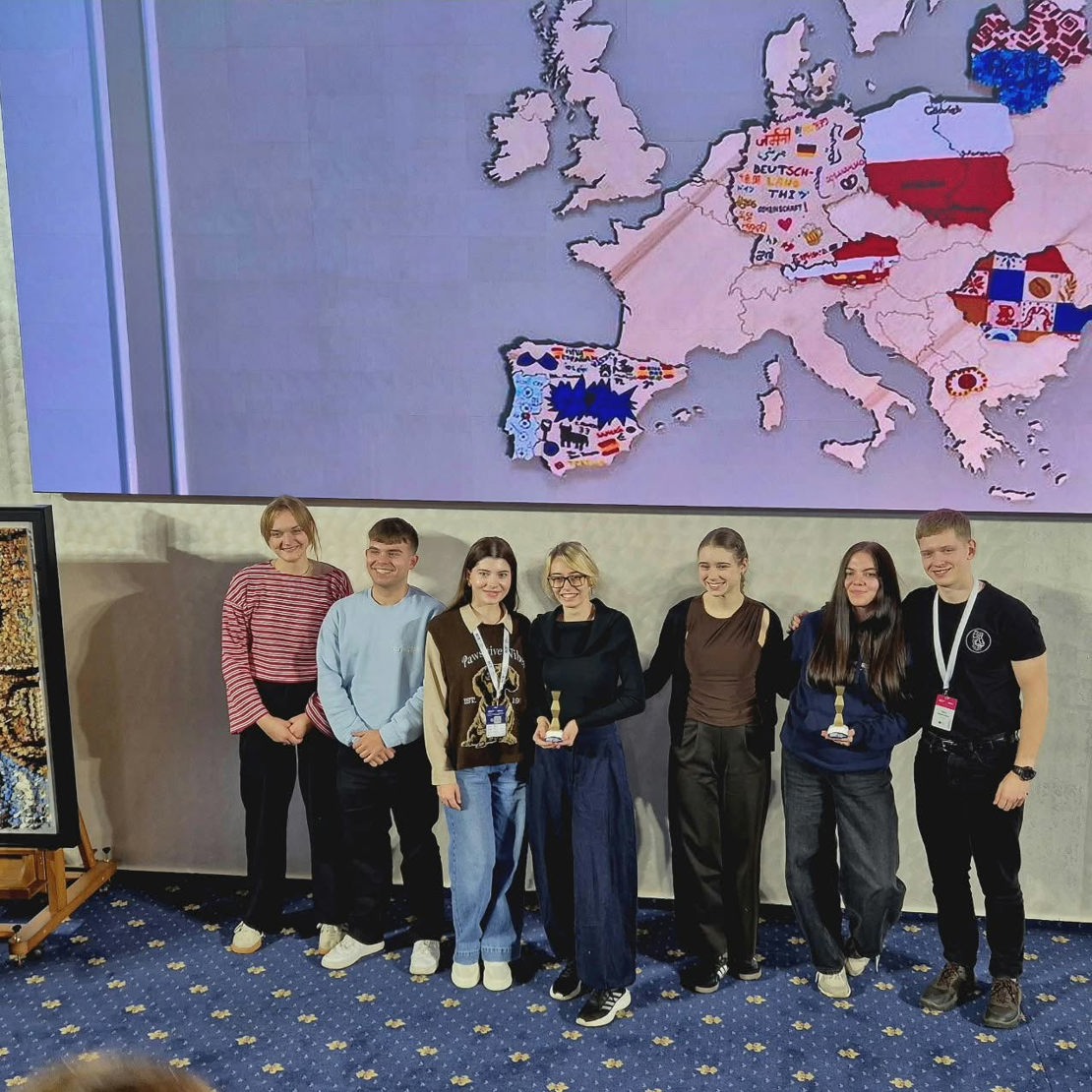
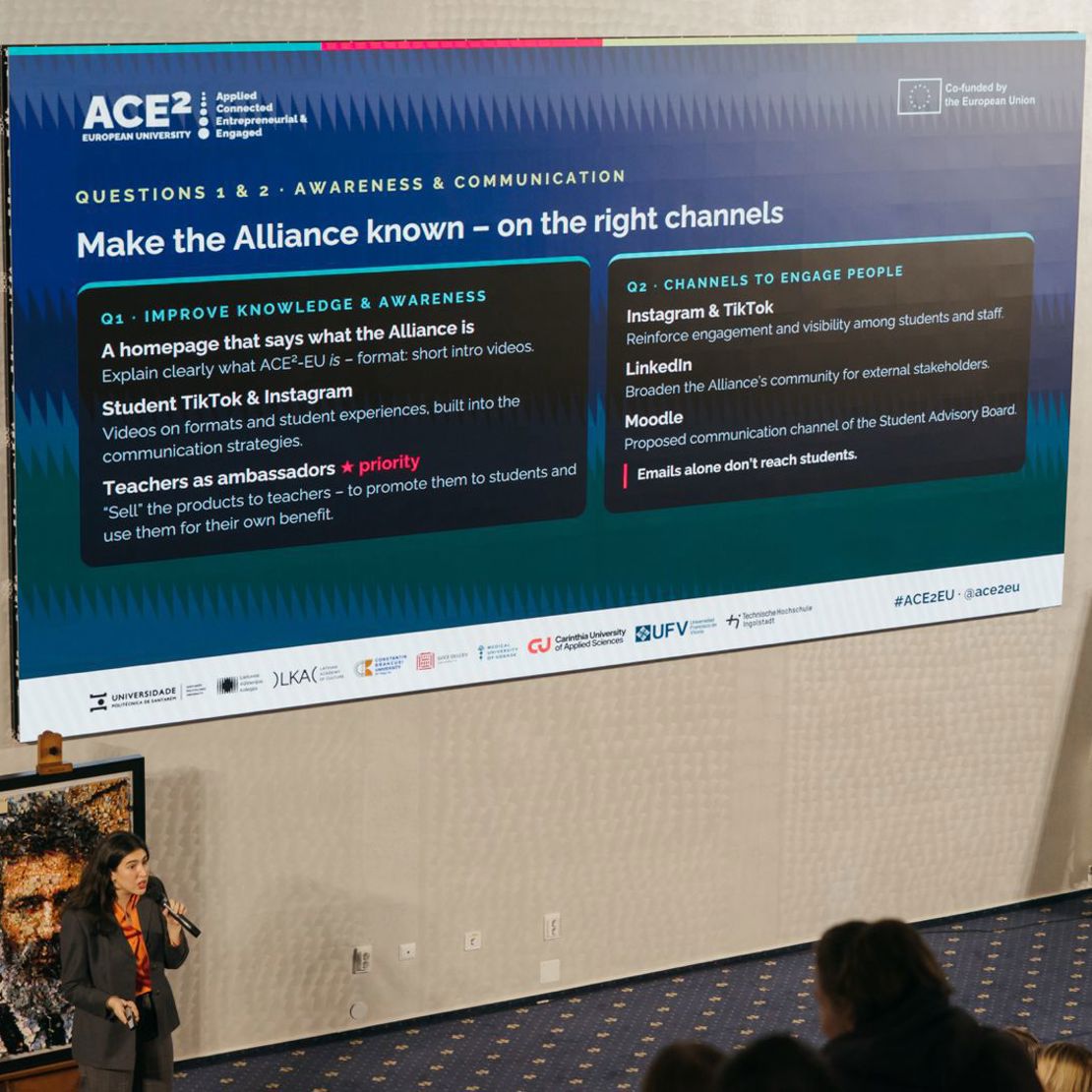
On 30 October, the Congress and festival culminated in the ACE Gala awards ceremony, recognising outstanding projects developed by international student teams, presentations of learning outcomes and the exceptional contributions of students and staff to ACE²-EU activities. Before the ceremony, participants presented the projects and short films developed throughout the week. During the concluding part of the Congress, the advisory boards representing students, staff and external stakeholders also shared their recommendations for the Alliance's future activities.
The Congress concluded with a presentation of the ACE²-EU digital university, e-Campus, discussions on the priorities for the Alliance's third year of operation and its long-term sustainability objectives. The symbolic responsibility for hosting the next Annual Congress was handed over to the Latvian Academy of Culture. The international week came to a close with a classical music concert.